


The world of international trade isn’t what it was five years ago. New sanctions hit the news every week. Customs rules shift overnight. And if your business ships goods across borders — whether from Karachi to Doha or Lahore to Lusail — a single compliance mistake can cost you far more than a fine. That’s exactly why trade compliance consulting has moved from a “nice to have” to a genuine business necessity. So, what does this mean for businesses operating between Pakistan and Qatar? Let’s break it down.
What is Trade Compliance Consulting
Trade compliance consulting involves ensuring that your import/export operations comply with all laws, regulations and trade agreements in all countries you conduct business in.
A good international trade consulting partner will assist you in:
- Correct classification of products — assigning the correct HS codes to your products.
- Export control checks – for buyers, destinations and end-use).
- Customs compliance – documentation right the first time.
- Sanctions screening – avoiding restricted parties and embargoed countries.
- Regulatory risk mitigation – identifying issues before customs.
- Trade compliance program development — building lasting internal systems.
Think of it as the difference between flying blind through a storm and having a co-pilot who knows every air traffic rule in the sky.
Did you know?
Qatar’s General Authority of Customs enforces strict product classification rules under the GCC Unified Customs Law. A misclassified shipment doesn’t just get delayed — it can trigger audits, penalties and even import bans.
Why Qatar & Pakistan Businesses Face Unique Compliance Pressure
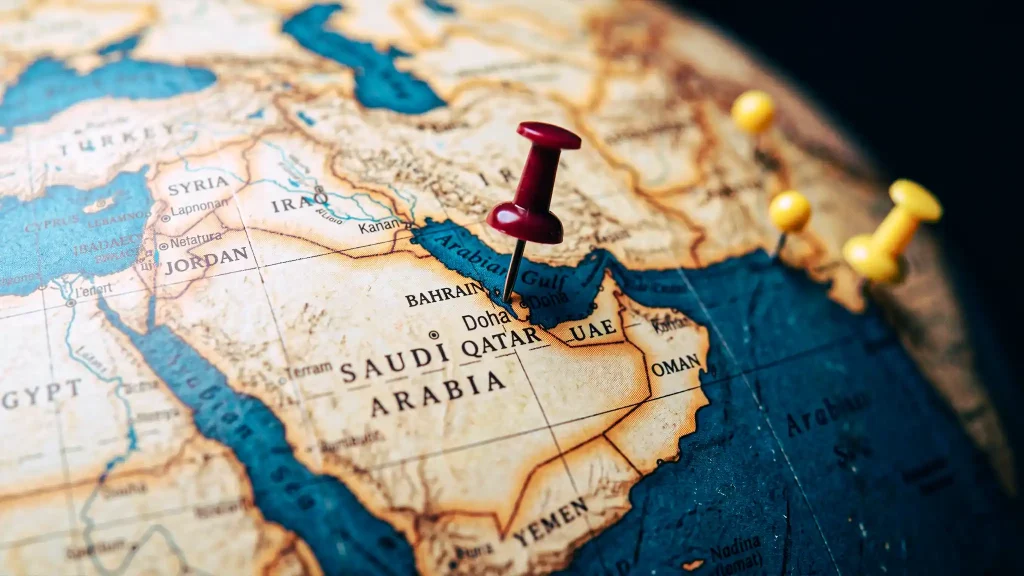
The bilateral trade route between Qatar and Pakistan is expanding and is gaining momentum. However, as things grow, they become more complicated and problems arise.
For Qatar-bound Trade
- Qatar is part of the GCC Customs Union, which requires tariff structures, origin rules and documentation to be consistent with the GCC-wide standards.
- The regulatory frameworks are even more important for new entrants as Qatar’s National Vision 2030 is attracting billions of dollars in foreign investment.
- There are compliance layers in free zones such as the Qatar Financial Centre (QFC).
For Pakistan-based Exporters
- Both the State Bank of Pakistan and the Trade Development Authority of Pakistan (TDAP) have tight export documentation requirements.
- Businesses from Pakistan will have to deal with customs in two jurisdictions while entering Qatar.
- There are extra layers of regulatory risks due to currency controls and international sanctions lists.
If you’re planning your market entry into Qatar, start with our detailed guide: Top Business Opportunitiesin Qatar 2026.
The Real Cost of Getting It Wrong
Here’s the thing, most business owners don’t realise: non-compliance isn’t just about fines and penalties.The true damage looks like this:
| Risk | What Actually Happens |
| Wrong HS code | Shipment seized, duties recalculated, audits triggered |
| Failed sanctions screening | Criminal liability, business blacklisting |
| Missing export license | Goods stranded, contracts cancelled |
| Poor documentation | Delayed deliveries, lost customers, damaged reputation |
| No compliance program | Repeat violations, escalating penalties |
This is why investing in proper global trade compliance systems pays for itself many times over.
7 Core Services Every Trade Compliance Program Needs
A comprehensive trade compliance consulting program addresses these areas, whether you’re a Pakistani textile exporter to Doha or a tech company providing services across borders:
- Import & Export Classification: Accurate HS code determination will help you to pay the correct duties and prevent costly reclassification audits.
- Sanctions & Denied Party Screening: Screen all buyers, suppliers and partners against international restricted party lists — including OFAC, UN, EU and GCC lists.
- Export License Management: Some goods require licenses before they can leave the country. Knowing which ones are non-negotiable.
- Customs Compliance Reviews: A full audit of your import/export documentation, procedures and filings — before a government auditor does it for you.
- Trade Compliance Training: Your procurement, sales and logistics teams need to understand the rules. Capacity-building workshops fill that void quickly.
- Regulatory Risk Assessment: Identify all the risks in your cross-border trade — from country-of-origin regulations to dual-use product controls.
- Compliance Program Development: Create a Trade Compliance Management System (TCMS) that is not just a checklist, but a way of life for your company.
How AIBN Approaches Trade Compliance for Qatar & Pakistan Markets

Trade compliance consulting at AIBN is not a one-off service that you receive in your email. It is part and parcel of all our business expansion activities between Pakistan and the GCC.
Here’s how our approach is different:
- We do trade policy advice and regulatory navigation — so you get strategic advice and action.
- Our legal and compliance frameworks service is not a quick fix, but a long-term solution.
- We help you identify regulatory risk before it becomes a crisis, not after.
- Our team understands both Pakistan’s TDAP export procedures and Qatar’s GCC customs framework — most consultants know one or the other.
Want to understand the trade corridor you’ll be navigating? Read our deep-dive detailed guide on Pakistan–Qatar Direct Trade Corridors 2026.
Red Flags That Tell You It’s Time to Get Compliance Help
You don’t need a customs seizure to know you have a problem or an issue. You must watch for these signs:
- Your team isn’t sure which HS codes apply to your products.
- You’ve never done a compliance audit on your trade documentation.
- You’re entering Qatar or another GCC market for the first time.
- Your business handles dual-use goods or technology exports.
- You work with suppliers or buyers in sanctioned regions.
- Your customs broker handles everything and your team has zero visibility.
If two or more of these apply, you need a trade compliance program — and you need it now.
Final Thoughts
Trade compliance consulting matters most before problems arise, not after. When you’re setting up in Qatar, compliance should be baked into your company structure from day one. That connects directly to how you set up your business entity, your licensing and your banking relationships. If you’re ready to trade smarter and expand confidently into the Gulf, AIBN’s Policy & Regulatory Navigation team is here to help. Explore our full solutions or connect with our experts today. And if you’re still evaluating whether Qatar is the right market for your business, our feasibility study service can give you a data-backed answer.
FAQs: Trade Compliance Consulting for Pakistan & Qatar
What is trade compliance consulting?
It’s expert guidance that helps your business follow all import/export laws so you avoid fines, delays and legal trouble.
Who needs customs compliance consulting services?
Any business that buys or sells goods across borders needs it. Don’t wait for a customs problem to find out the hard way.
What happens if I ignore trade compliance?
Your shipments get held, fines pile up fast and repeat violations can get your business blacklisted from trading entirely.
How long does it take to build a compliance program?
A basic program takes 4–8 weeks. But starting simple beats waiting for perfection — get the foundation right first.
Can export/import compliance consulting help with Qatar’s customs rules?
Absolutely. Qatar follows GCC customs law and getting a local expert saves you from costly classification and documentation errors.
Is customs compliance consulting worth the cost?
One avoided shipment seizure or fine easily pays for it. Think of it as insurance that actually prevents the accident.
Do small businesses need global trade advisory services?
Yes. Customs authorities don’t differentiate by company size. A small Pakistani exporter shipping food products to Qatar faces the same HS code rules and origin documentation requirements as a multinational.
How is trade compliance different from customs brokerage?
A customs broker files your paperwork. An export/import compliance consulting firm builds the system that makes sure that paperwork is right — and stays right as regulations change.
How often should we review our compliance program?
At a minimum, once a year. But given how fast export control rules and sanctions lists change in 2026, a quarterly review cadence is rapidly becoming best practice.