


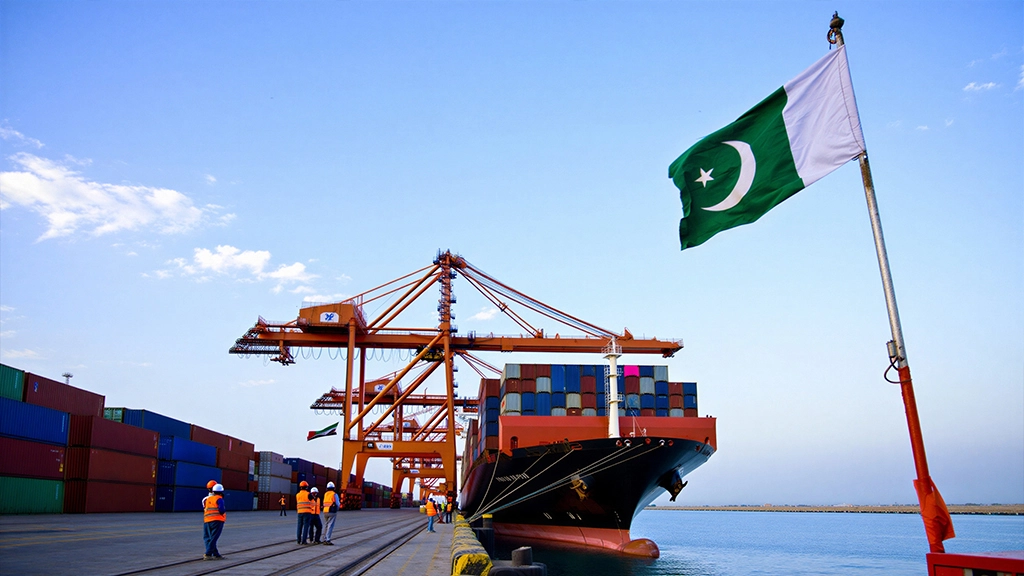
Expanding to the GCC markets is a smart move for Pakistani businesses. These countries — Saudi Arabia, UAE, Qatar, Kuwait, Oman, and Bahrain — offer huge opportunities. Trade between Pakistan and the GCC is strong. But success depends on good planning. You need strong supply chain solutions to handle the distance, rules, and competition. In this blog, we look at how supply chain solutions make GCC expansion easier for your business. Let’s dive in.
Understanding Supply Chain Solutions for GCC Expansion

What Are Supply Chain Solutions in Cross-Border Trade
Supply chain solutions mean the full plan to get products from your factory in Pakistan to buyers in the GCC. This includes transport, storage, tracking, and paperwork.
Why GCC Markets Demand Structured Supply Chains
The GCC market is rich and growing fast. People there buy a lot of imported goods. Saudi Arabia and the UAE lead in big projects like Vision 2030. This creates demand for construction materials, food, and consumer products.
But the GCC has high standards. Goods must arrive on time and in good condition. Hot weather affects some products. You need cold storage or special packing. Structured supply chain solutions for GCC markets handle these issues. They ensure quality and speed. This builds trust with buyers.
Key Challenges Pakistani Businesses Face in GCC Logistics
Many businesses face hurdles when entering the GCC. First, international logistics can be tricky. Customs rules differ between countries. Delays happen at borders or ports. Second, distances are long. Shipping from Pakistan takes time. Language and cultural differences add small hurdles.
Third, finding reliable partners is hard. You need good warehouses and distributors in each GCC country. You can solve these with planning. To start right, explore our market entry & expansion strategy. Learn rules through our policy & regulatory navigation.
Role of Logistics Management in GCC Market Success

Transportation, Warehousing, & Freight Coordination
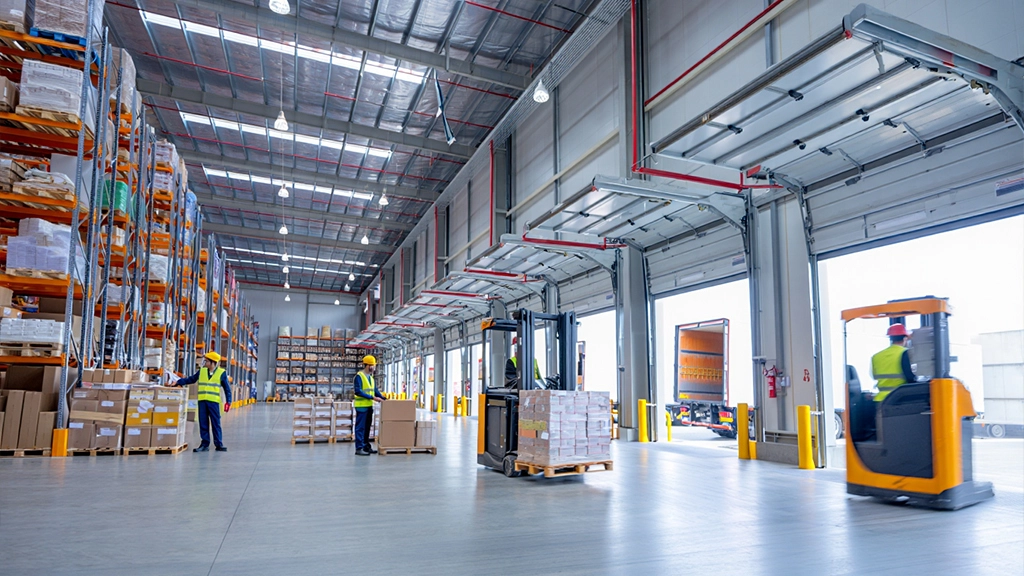
Good supply chain management starts with transport. Use multimodal transportation — sea plus road or air for urgent items. Warehousing infrastructure is key in the GCC. The UAE has big hubs like Jebel Ali. Saudi Arabia builds new logistics zones. Store goods close to buyers to speed up delivery. Freight coordination ties it all together. Choose reliable freight forwarding companies.
Managing Cross-Border Logistics Efficiently
Global logistics needs planning. Clear customs fast with the right documents. Use trade agreements to cut duties. Track shipments with tech. This gives supply chain visibility. Avoid delays by planning routes well.
Reducing Delays & Operational Bottlenecks
Delays cost money. Fix them with better planning. Use local warehouses. Partner with experienced firms. This cuts bottlenecks. Your goods reach stores faster. For deeper advice, see our trade policy advisory and regulatory risk mitigation services.
Building an Effective Distribution Strategy in GCC
Selecting the Right Distribution Model
Choose a model that fits your business. Some use direct sales, others pick local distributors. For many Pakistani firms, local partners work best. They know the market.
Distributor Evaluation & Market Coverage
Check distributor networks carefully. Look at their roles, experience, and finances. Good ones cover big areas like Riyadh or Dubai.
Structuring Long-Term Distribution Agreements
Make clear agreements. Include terms on sales targets, payments, and support. This builds strong ties. You can learn more through our distribution agreement brokering and partnership & alliance building services.
Inventory Optimization for Regional Supply Chain Efficiency
Balancing Stock Levels Across GCC Markets
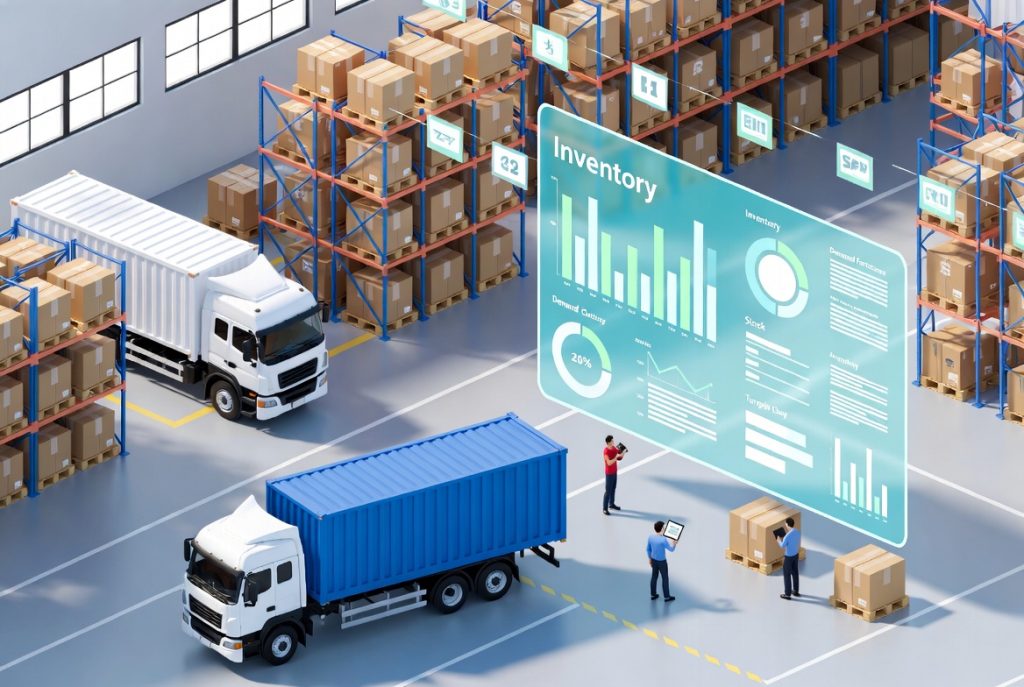
Keep the right stock levels—too much ties up cash. Too little loses sales. Use warehouses in key spots like the UAE for quick access.
Demand Forecasting & Inventory Planning
Demand forecasting helps predict sales. Look at past data and market trends. Plan inventory to match demand.
Reducing Holding Costs Without Affecting Availability
You use just-in-time methods where possible. You negotiate better storage rates. Your customers still get products when they need them. This improves inventory turnover. Check our strategic positioning services and competitive analysis for better planning.
Strategic Partnerships and Joint Ventures in Supply Chains
Why Local Partners Matter in GCC Supply Chains
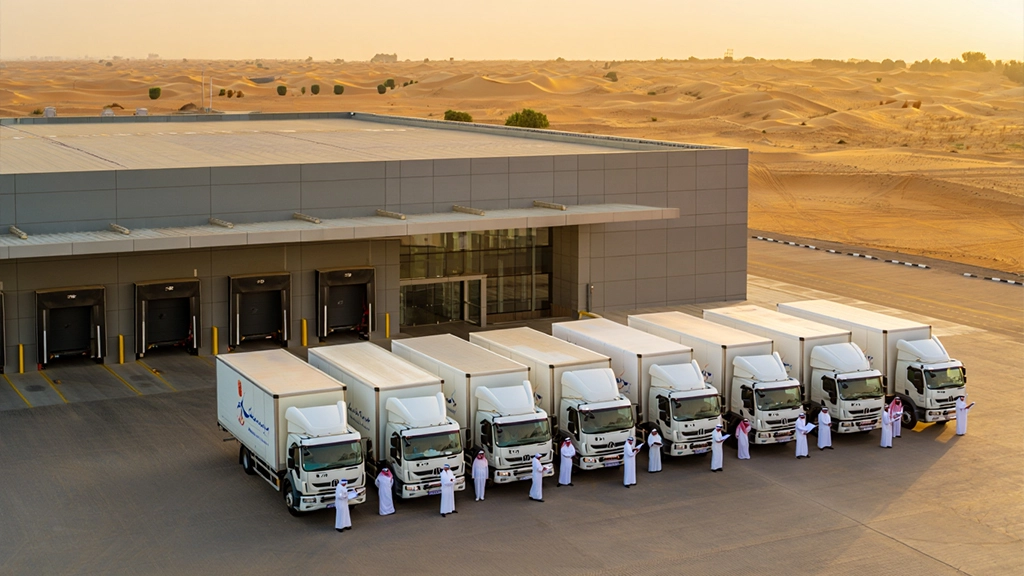
Local partners know the rules, culture, and buyers. They help with distribution networks. They share risks too.
Joint Ventures for Logistics & Distribution
Form joint ventures for warehouses or transport. This gives you control and local knowledge.
Risk Sharing Through Strategic Alliances
Alliances spread risks like currency changes or delays. Explore options via our joint venture facilitation and strategic alliance formation.
B2B Matchmaking for Supply Chain and Logistics Expansion

Connecting with Reliable Distributors & Logistics Partners
You can meet verified companies at events or online. You can check their track records. Real connections speed up your entry.
Supplier & Buyer Network Development
You get a list of trusted contacts when you attend trade shows in busy cities like Dubai or Riyadh. Networks become your biggest asset.
Accelerating Market Access Through B2B Platforms
Platforms connect you directly with buyers. You save time on searches. Deals happen faster. Our B2B matchmaking & networking and global platform curation services help you find perfect matches.
Why Choose AIBN for Supply Chain Solutions in GCC

Local Market Knowledge & Regional Presence
Our team lives and works in the Gulf. We know ports, rules, and key people. You get practical advice that works today.
Integrated Consulting Across Trade, Policy, & Partnerships
We handle logistics, rules, and alliances in one place. You avoid dealing with many separate firms.
Long-Term Supply Chain Growth Enablement
We do not stop at the entry. We help you scale year after year. Your business becomes stronger in GCC markets. Discover more about us at who we are at AIBN, our distinct approach, and how to partner with us.
Conclusion
In short, supply chain solutions turn challenges into opportunities. You can move goods faster, do logistics cost optimization, and build lasting partnerships. Pakistani businesses that plan well win big in the GCC. Ready to build your strong supply chain? Connect with us today and explore all our support solutions. Let’s make your GCC expansion successful.
FAQs
1. What are supply chain solutions, and why do Pakistani businesses need them for GCC expansion?
These are defined as complete plans or strategies to move goods from Pakistan to GCC buyers. These solutions include shipping, storage, and delivery. Pakistani businesses need them because the GCC has strict rules and a high demand for fast service. Without smart supply chain management, delays can happen, and costs can rise. With them, you can deliver on time and build trust. This also helps to grow sales in big markets like the UAE and Saudi Arabia.
2. How does logistics management help achieve success in the GCC market?
It handles transport, warehousing, and freight. In the GCC, it ensures goods move fast across borders. You avoid port delays and use hubs like Dubai. Good management cuts costs and improves reliability. Pakistani exporters benefit by reaching buyers more quickly. This leads to more repeat orders.
3. How can inventory optimization improve efficiency in GCC supply chains?
High inventory control balances inventory. Predict sales using demand forecasting. Stock enough without excess. This saves holding costs in costly GCC warehouses. It keeps products available for buyers. Pakistani firms save money and satisfy customers better.
4. Why are GCC supply chain management services important for exporters?
Supply chain management services in the GCC handle regional needs like hot weather and customs. It provides cross-border supply chain management and visibility. Services help with regulatory compliance in the GCC and fast clearance. Exporters avoid fines and delays. This makes trade smooth and profitable.
5. What role do trade and distribution partnerships play in GCC expansion?
Trade and distribution partnerships play a key role in connecting to multiple local networks in the GCC regions. Reliable partners can handle sales and delivery perfectly. They also share market expertise and risks. For Pakistani businesses, this speeds up access. Strong partnerships build long-term success in the GCC.
6. How do cross-border logistics problems affect Pakistani businesses?
Global logistics usually can cause customs delays and distinct rules and regulations. Even distance can add time and cost, too. Bad planning can cause stockouts or additional fees. Good international supply chain solutions fix these issues with planning and tech.
7. What are the benefits of supply chain consulting services for GCC markets?
Supply chain consulting services give expert advice. They help design end-to-end supply chain solutions. Consultants handle market entry logistics GCC, and partnerships. You get better efficiency and lower costs. Pakistani exporters grow faster with professional help.