


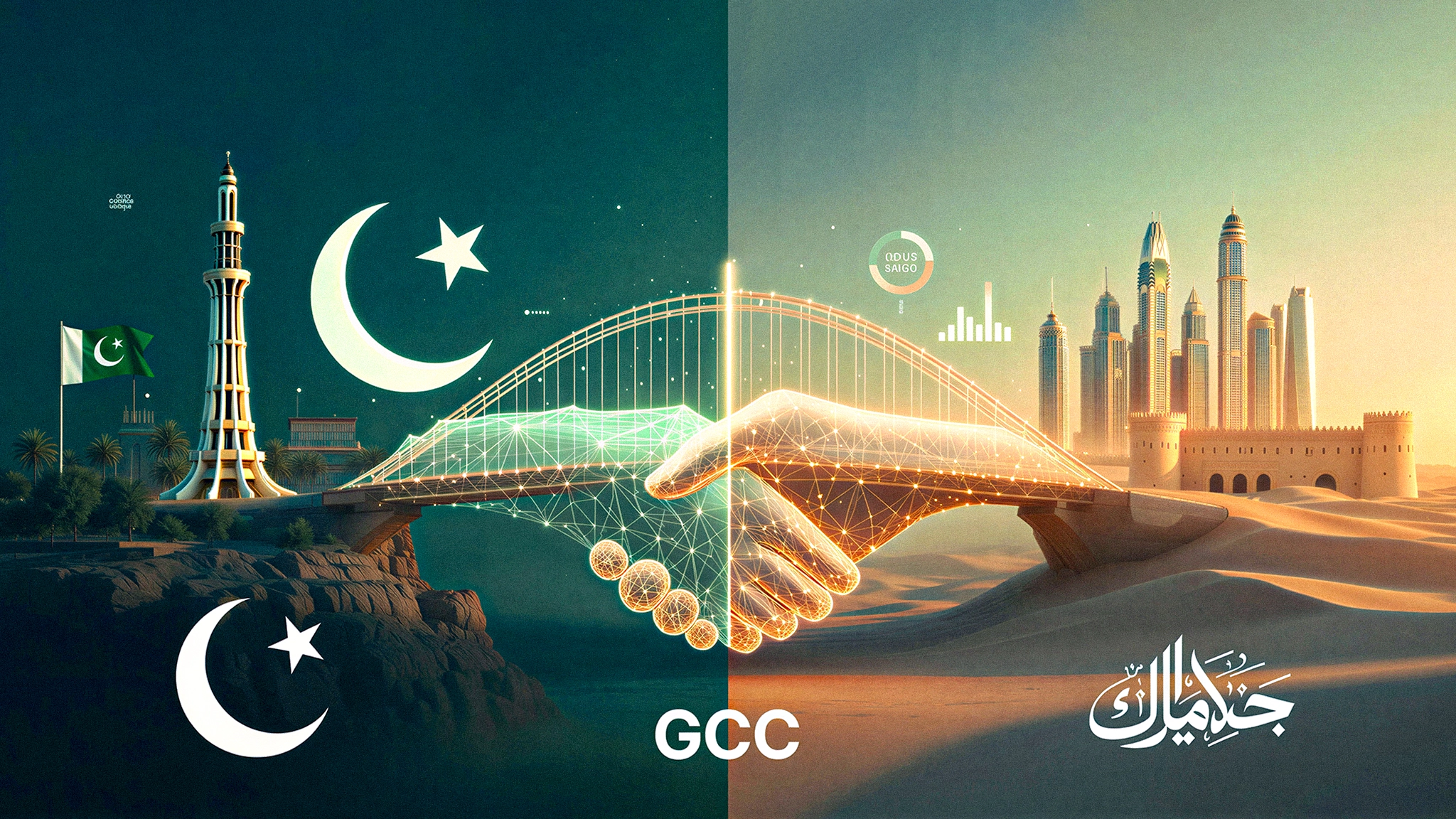
When Pakistani businesses decide to expand into GCC markets, most of them focus heavily on logistics, licensing, and legal setup. Very few focus on the one thing — their brand. GCC buyers don’t just purchase products or services. They purchase trust, credibility, and reputation. Your corporate branding strategy is the vehicle that delivers all three before your sales team ever walks into a room. This guide is for Pakistani business leaders who are serious about building lasting market presence across Saudi Arabia, UAE, Qatar, Kuwait, Bahrain, and Oman.
What Is A Corporate Branding Strategy in GCC Expansion?
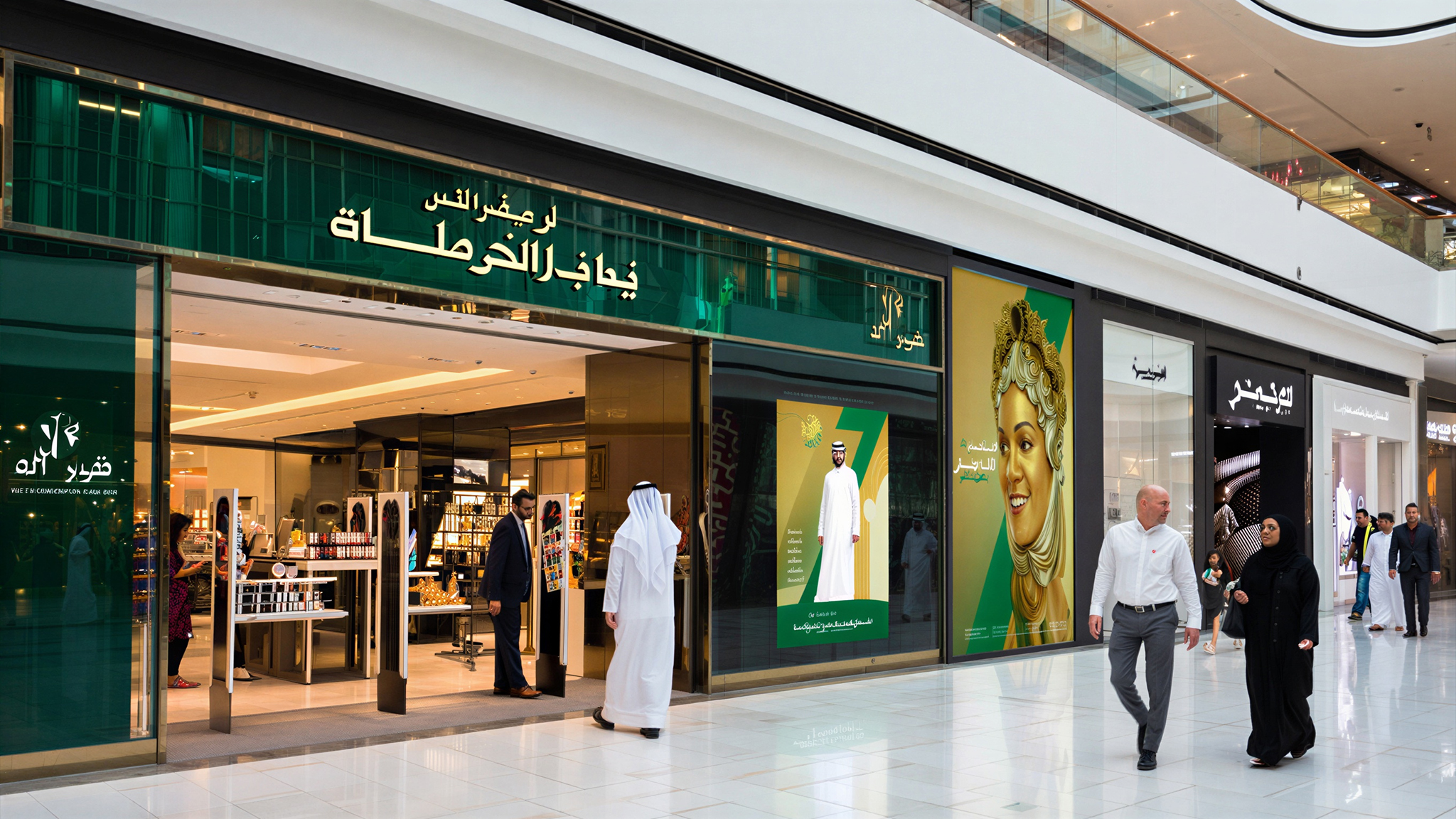
It is a structured plan that shapes how your business is perceived across every touchpoint — from your website to your pitch deck to how your team shows up at industry events.
Why Branding Plays A Critical Role in GCC Business Culture
Gulf markets operate on relationship-first principles. A decision-maker in Dubai or Riyadh rarely approves a vendor after one meeting. They research, ask around, and form impressions long before any formal conversation begins. In those silent moments of evaluation, your brand is either working for you or failing you.
Key Branding Challenges Pakistani Businesses Face in GCC
Most Pakistani businesses entering GCC markets encounter the same recurring obstacles. Solving these challenges begins with a structured market entry & expansion strategy and is sharpened through expert strategic positioning services. These challenges are as follows:
- Weak regional awareness — GCC stakeholders simply don’t know who you are.
- Outdated visual identity that signals small-scale operations.
- Messaging that resonates locally but feels disconnected in Gulf contexts.
- No regional track record or third-party validation.
Building A Strong Brand Identity for GCC Markets
Visual Identity & Brand Consistency
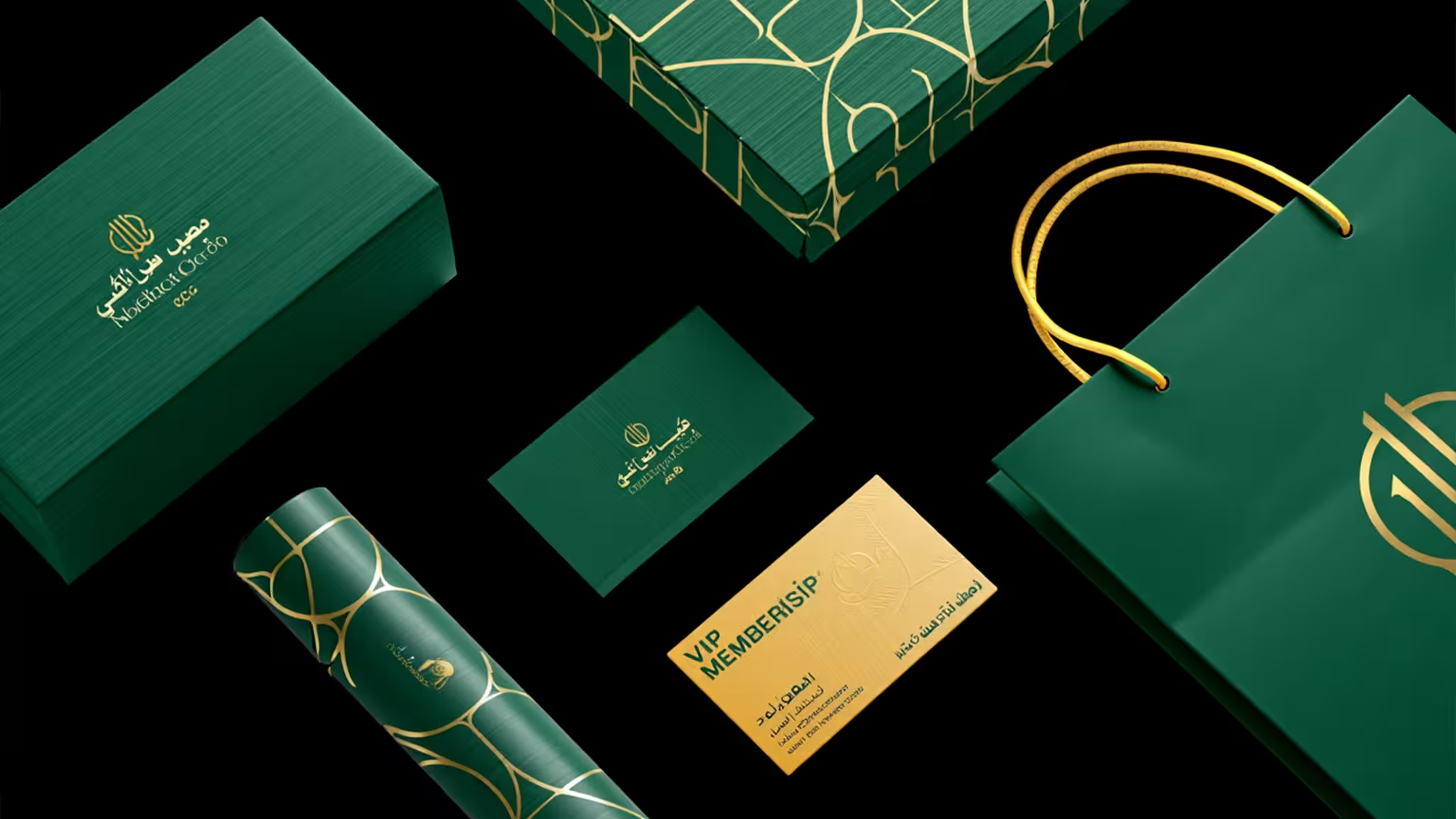
Your brand identity is your brand’s first handshake. In GCC markets, that handshake must feel premium, polished, and deliberate. Visual identity systems — covering your logo, color palette, typography, and design language — must maintain brand consistency across Arabic and English formats. Inconsistency between your English brochure and Arabic website instantly signals a lack of professionalism. GCC buyers notice.
Cultural Adaptation Without Brand Dilution
Here’s the balancing act most Pakistani businesses get wrong. They either transplant their domestic brand unchanged into GCC markets — too rigid — or they overhaul everything to please local audiences — too inconsistent. Cultural brand adaptation sits between those two extremes.
It means adjusting imagery, tone, and messaging to respect regional values while preserving your core identity. Imagery, gender representation, color symbolism, and even font choices carry cultural weight in the Gulf. Adapt thoughtfully. The cultural competency programs at AIBN give Pakistani businesses the practical tools to navigate these decisions confidently.
Aligning Brand Values with Regional Expectations
GCC stakeholders respect brands that communicate stability, quality, and long-term commitment. If your current brand messaging framework emphasizes aggressive growth or disruption, it may need recalibration for Gulf audiences.
In the GCC, how trustworthy, established, and reliable your brand is affects your stakeholder perception. A competitive analysis will show you exactly where your brand’s image doesn’t match what people in your area expect.
Market Positioning Strategies for Competitive GCC Landscapes
Identifying Target Segments and Buyer Personas
Market Positioning requires precision. The GCC is six distinct economies with six sets of buyer priorities. A government procurement authority in Riyadh operates very differently from a private sector MD in Dubai.
| Target Segments | Key Priorities |
| Government entities | Compliance, track record, local partnerships |
| Large corporates | Quality, scalability, reputation |
| SMEs and startups | Speed, value, flexibility |
| Family conglomerates | Relationships, trust, long-term alignment |
Differentiation in Saturated GCC Markets
The GCC is flooded with global brands competing for the same contracts. “Quality” and “affordability” are no longer differentiators — they’re baseline expectations.
You need to dig deeper into competitive differentiation. Pakistani companies often have manufacturing skills, technical talent, and cost-effectiveness that are hard for global competitors to match. Use those strengths to lead. But put them in a value proposition that speaks directly to what GCC buyers care about most: reliability, compliance, and commitment to the region.
Feasibility studies at AIBN validate your positioning before you commit resources. Even our global business insights workshops sharpen your strategic thinking further.
Corporate Reputation Management in Gulf Markets

Building Trust with Government & Corporate Stakeholders
Corporate reputation management is not a marketing function in the GCC — it’s a business survival function. Trust-based branding means your reputation does the selling before your team does. Verified case studies, third-party endorsements, professional certifications, and media credibility all contribute to the market credibility that GCC buyers require.
Managing Brand Risk & Market Perception
GCC business communities are tightly networked. One bad experience with a client, one failure to follow the rules, or one poorly managed public statement can spread quickly and stick even faster. Reputational risk management means taking charge of your brand’s story by being careful with corporate communications, sending out consistent messages, and being open with stakeholders.
Reputation Monitoring & Crisis Readiness
Monitor your brand’s digital footprint across both English and Arabic channels. Track media mentions, review platforms, and LinkedIn activity regularly. Policy & regulatory navigation and legal & compliance frameworks from AIBN protect your brand from the regulatory blind spots that quietly destroy market credibility.
Strategic Partnerships & Brand Credibility in GCC
How Partnerships Strengthen Brand Trust
A trustworthy local partner is the best way to build brand trust in GCC markets. When you work with a well-known business in the UAE or Saudi Arabia, some of their good reputation impacts you. Brand expansion across borders through strategic partnerships goes much faster than entering a market alone.
Brand Alignment in Strategic Alliances
Before any partnership formalizes, establish clear brand governance models. Define who controls brand messaging, how co-branded materials are approved, and what shared values both organizations publicly represent.
Co-Branding Opportunities through Joint Ventures
Joint ventures open co-branding opportunities that individual market entry rarely creates. They signal long-term regional commitment and generate local credibility. Explore our partnership & alliance building and joint venture facilitation to structure these relationships with legal and strategic rigour.
Leveraging B2B Platforms to Strengthen Corporate Brand Presence
Brand Visibility Through B2B Matchmaking
GCC decision-makers attend major trade expos, investment summits, and sector forums regularly. Showing up — with a polished, consistent brand presence — converts attention into credibility. Brand equity builds faster when the right buyers encounter your brand repeatedly in trusted environments.
Corporate Storytelling at Global Platforms
Facts inform. Stories persuade. Your corporate storytelling at B2B platforms should answer three things clearly: what problem you solve, what makes you different, and why the GCC market should trust you now. A compelling narrative delivered consistently builds employer branding authority & client-facing trust simultaneously.
Building Authority through Industry Networks
Regional brand alignment strengthens through repeated, consistent presence across industry networks. The more GCC professionals encounter your brand in credible professional spaces, the more familiar — and therefore trustworthy — you become. B2B matchmaking & networking and global platform curation from AIBN place your brand directly inside these high-value environments.
Why AIBN Is the Right Partner for Your Corporate Branding Strategy

GCC Market Expertise & Brand Advisory
AIBN brings genuine, on-the-ground GCC market expertise. The team understands GCC brand strategy as a daily practice shaped by real regional relationships & measurable business outcomes. This is business branding consulting with real accountability attached.
Integrated Branding, Market Entry, and Partnerships
Most consultancies deliver isolated services. AIBN integrates international corporate branding with market entry planning, regulatory compliance, and strategic partnership facilitation. This is genuine corporate brand governance operating at a strategic level.
Ethical, Long-Term Brand Building Approach
AIBN’s philosophy centers on long-term brand equity — not short-term visibility spikes. The GCC rewards consistency and patience. AIBN builds brands that compound in value over the years.
Learn more about who we are at AIBN, review our distinct approach, or take the first step to partner with us.
Conclusion
GCC expansion is one of the most significant moves a Pakistani business can make. But a strategy without brand substance rarely survives Gulf-level scrutiny. Your business branding strategy is what separates businesses that get meetings from businesses that get contracts. Build your identity with precision. Adapt culturally without losing your core. Manage your reputation before the market does it for you. And partner with experienced advisors who understand the GCC from the inside. Ready to build a brand the GCC respects? Connect with AIBN today or explore all solutions now.
FAQs
1. What is a corporate branding strategy, and why does it matter specifically for GCC expansion?
It defines how your company presents itself — visually, verbally, and culturally — across every market touchpoint. In the GCC, where reputation and relationships drive every major business decision, your brand strategy determines whether buyers trust you enough to engage seriously.
2. How is branding in GCC markets fundamentally different from domestic Pakistani branding?
GCC markets demand significantly higher visual polish, cultural sensitivity, and third-party credibility validation. Pakistani domestic branding often succeeds through personal networks and competitive pricing. In the Gulf, brand image carries far more commercial weight. Buyers conduct structured due diligence, check digital footprints, and evaluate corporate reputation carefully.
3. How long does building genuine brand credibility in GCC markets realistically take?
Typically, it takes 18 to 36 months of consistent strategic effort to establish genuine market credibility in the GCC. It entails the accumulation of positive stakeholder experiences, verified partnerships, clean compliance records, and repeated attendance at industry platforms. By borrowing credibility from established regional entities, strategic partnerships, and B2B matchmaking can significantly expedite this timeline.
4. What role does corporate reputation management play in GCC business development?
It functions as a core business development tool in the GCC, not merely a PR exercise. Government entities, sovereign wealth funds, and major family conglomerates all investigate a brand’s history thoroughly before signing agreements. A single reputational incident — a delivery failure, a compliance breach, or a public dispute — can permanently close doors across tightly networked Gulf business communities.
5. How can Pakistani companies use B2B platforms effectively to build GCC brand presence?
B2B platforms, including major trade expos, investment conferences, and sector-specific summits, provide direct access to GCC procurement leaders and decision-makers. Consistent, professional corporate storytelling at these platforms builds familiarity and authority over time. Pakistani businesses should invest in premium branded materials, polished presentations, and structured post-event follow-up strategies that reinforce brand messaging long after the event concludes.
6. What is brand governance, and why do Pakistani businesses expanding into GCC need it?
Brand governance models establish clear internal and external rules for how your brand is presented and protected. In GCC expansion, this covers approved messaging standards, visual identity guidelines, partnership communication protocols, and crisis response procedures.
7. How does AIBN specifically support Pakistani businesses with the GCC corporate branding strategy?
AIBN provides comprehensive advisory covering corporate branding strategy for GCC markets, integrated with market entry planning, regulatory navigation, and strategic partnership facilitation. Unlike generic consulting firms, AIBN combines Brand localization strategy with real business execution. The approach prioritizes ethical, relationship-driven brand building designed to generate long-term brand equity rather than short-term visibility that fades once campaign budgets are exhausted.